Concrete is tough, but it is also porous. Water, road salt and oil soak into the surface, and every winter in central Indiana that water freezes and expands. Over time that leads to flaking (scaling), pitting and stains. A good sealer slows that down and keeps decorative concrete looking the way it did on day one.
We connect Noblesville homeowners with an independent local contractor for cleaning, crack prep and sealing. Call (317) 798-0634 for a free quote.
Why Sealing Matters Here
- Freeze-thaw cycles. Water in the surface freezes, expands and pops off small flakes. Sealing reduces how much water gets in.
- De-icing salt. Salt from your car and the street speeds up surface damage, especially on newer concrete.
- Stains. Oil, rust from fertilizer, leaves and tire marks are easier to clean from sealed concrete.
- Color. Stamped and colored concrete fades in sun. Sealer protects color and can bring back a "wet look."
Types of Sealer
Penetrating sealers (silane/siloxane)
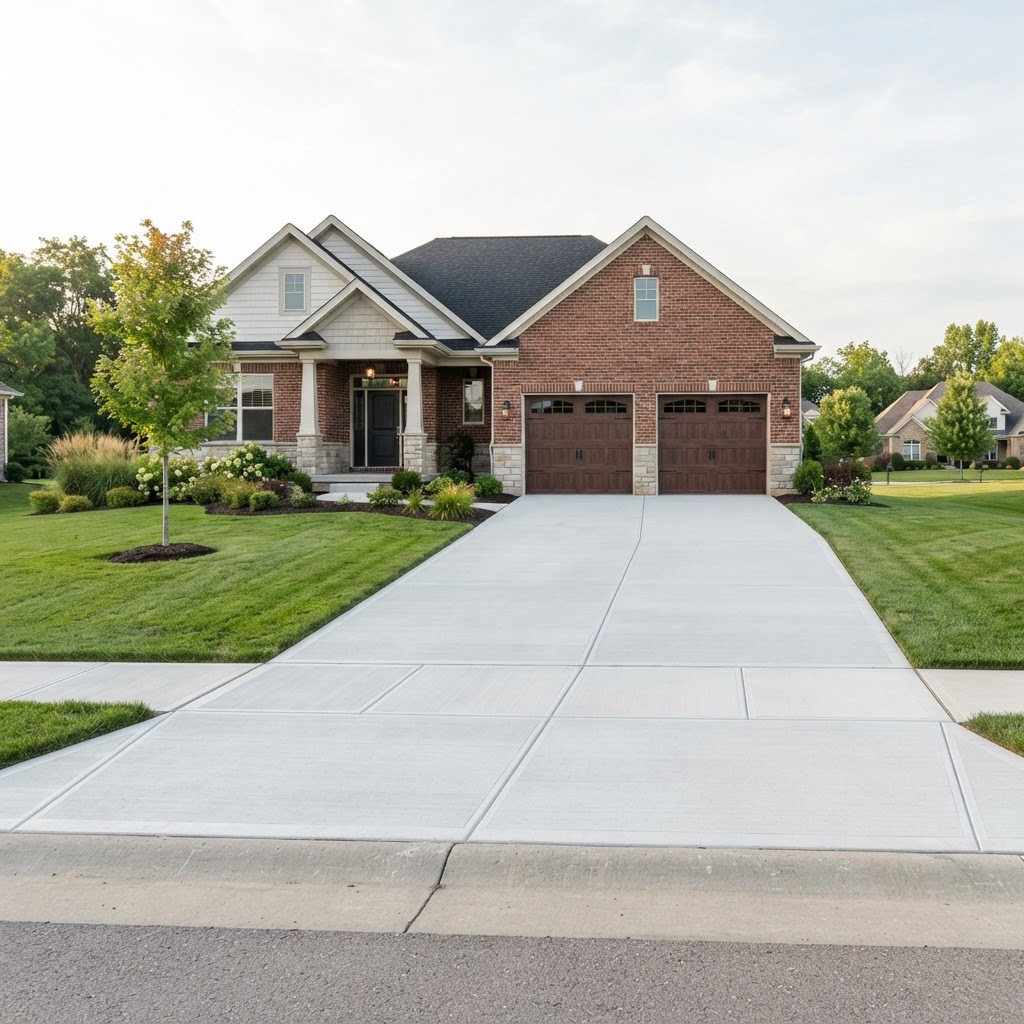
These soak into the concrete and repel water from inside. They leave little or no visible film, do not change the look much and are not slippery. They are a common choice for broom-finish driveways and walks.
Acrylic sealers
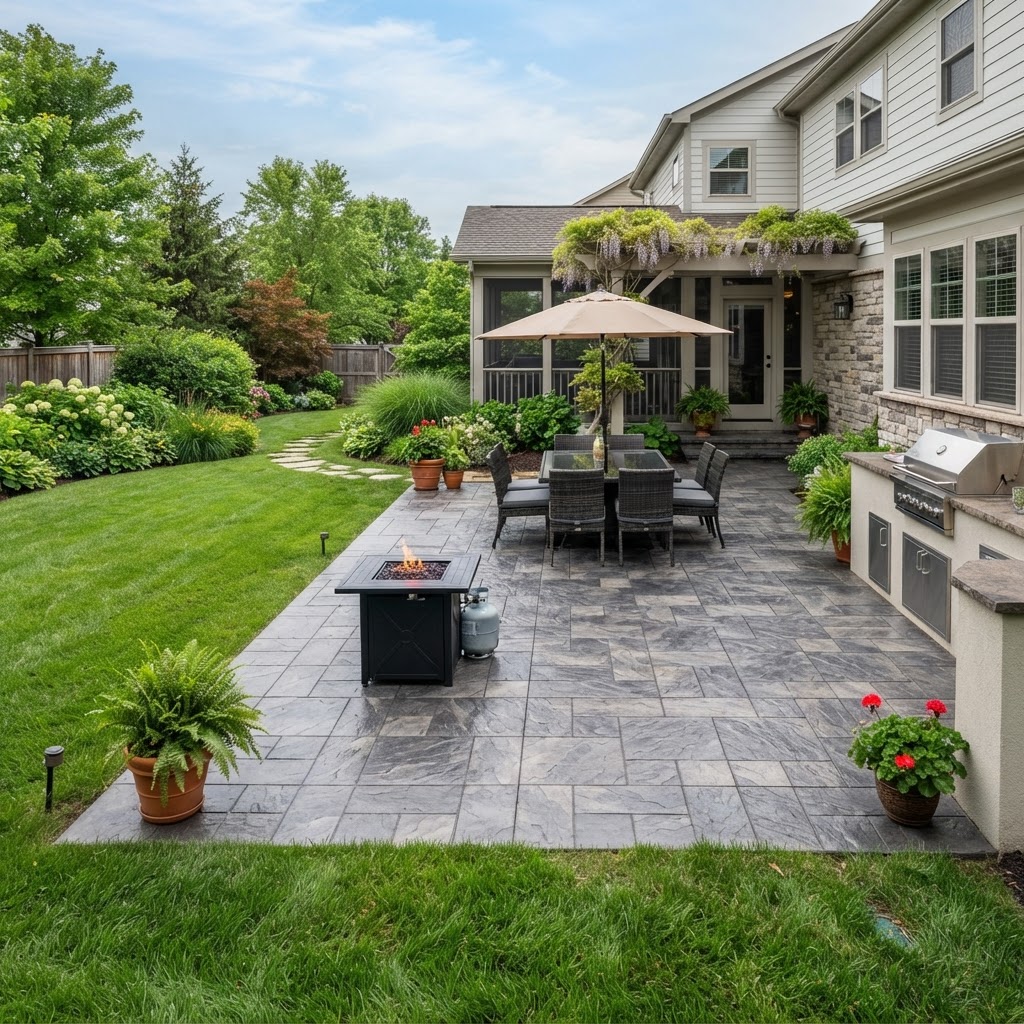
These form a thin film on top. They enhance color and add sheen, which is why they are popular on stamped concrete. They wear faster and need reapplying more often. Some can be slippery when wet unless an anti-slip additive is used.
Epoxy and urethane coatings
Thicker, harder coatings mostly used on garage and shop floors. They resist chemicals and look clean but need careful prep. See garage, shop and pole barn floors.
| Sealer | Look | Common use | Reapply |
|---|---|---|---|
| Penetrating | Natural, flat | Driveways, walks | Less often |
| Acrylic | Glossy or satin | Stamped patios | More often |
| Epoxy/urethane | Hard coating | Garage floors | Varies |
Reapplication timing varies by product and traffic. Follow the manufacturer's guidance and your contractor's advice.
When to Seal New Concrete
New concrete needs to cure before most sealers go on. Many contractors wait several weeks after the pour, though some products can be used sooner. Your installer should tell you the right timing for the mix and sealer used. Learn more about curing on our concrete driveways page.
What a Good Sealing Job Includes
- 1.Cleaning. Pressure washing and degreasing so the sealer bonds.
- 2.Crack and joint prep. Filling cracks and resealing joints so water does not get under the slab.
- 3.Dry time. The surface must be dry; sealing over damp concrete can cloud or peel.
- 4.Weather check. Most sealers need mild temperatures and no rain for a set period.
- 5.Even application. Sprayer or roller, avoiding puddles and thick spots.
- 6.Cure time. Stay off it as directed: foot traffic first, cars later.
Sealing Stamped Concrete
Stamped concrete almost always needs resealing over its life. Signs it is time:
- Color looks faded or chalky
- Water no longer beads up
- White haze or blotches appear (sometimes trapped moisture)
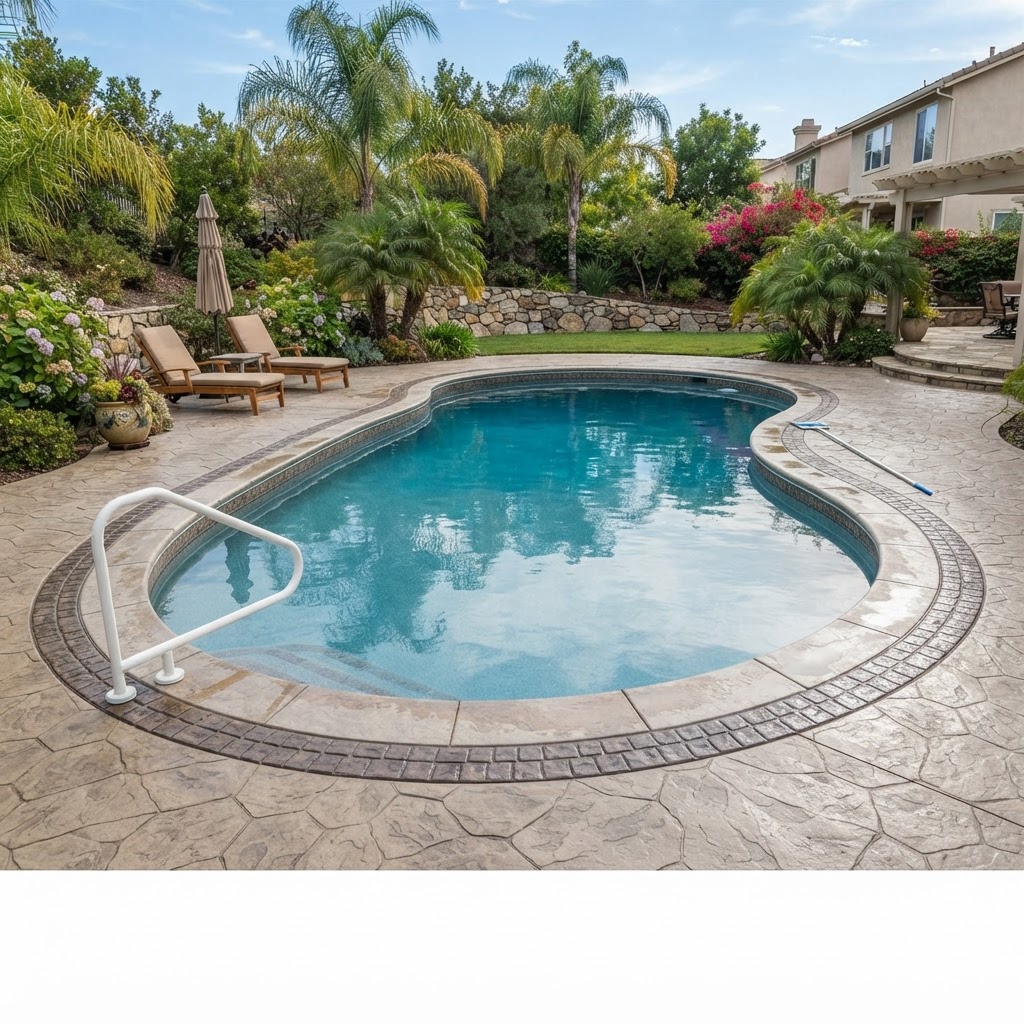
A contractor can strip and reseal hazy areas, and add anti-slip grit for pool decks and steps. See pool decks and concrete patios.
Can Old Concrete Be Saved by Sealing?
Sealing protects good concrete; it does not fix broken concrete. If your slab has sunk, consider leveling and mudjacking first. If it is crumbling, see concrete repair. Light scaling can sometimes be resurfaced and then sealed.
Cost of Concrete Sealing
Sealing is usually priced by square foot or by job. It is typically one of the least expensive things you can do to extend the life of concrete, especially compared with replacement. Price varies with the size, the sealer, and how much cleaning and crack repair is needed. Treat any online figures as general ranges and call (317) 798-0634 for a free quote. See our concrete cost guide for the bigger picture.
DIY or Hire It Out?
Plenty of homeowners seal a plain driveway themselves. Hiring a pro makes more sense when:
- The concrete is stamped or colored and you want an even look
- There is haze, peeling or old sealer to strip
- Cracks and joints need repair first
- You want an anti-slip finish around a pool or steps
Winter Care Tips
- Avoid de-icers with ammonium nitrate or ammonium sulfate, which are harsh on concrete
- Shovel early so snow does not melt and refreeze
- Rinse salt off in spring
- Avoid metal shovel edges on decorative surfaces
Sealing Around Noblesville: Common Situations
- Newer subdivisions where the builder's driveway has never been sealed and is starting to show light flaking near the garage, usually where salty slush drips off cars.
- Stamped patios a few years old that have lost their color and now look dull and chalky.
- Pool decks where sun and chlorinated water break down sealer faster than on a driveway.
- Older homes near downtown with walks and stoops that have years of salt damage and need repair before sealing makes sense.
When you request a quote, mention the age of the concrete, whether it has been sealed before, and any product you know was used. Some sealers are not compatible with others, and the contractor may need to strip the old coat first.
Frequently Asked Questions
Ready to protect your concrete?
Call (317) 798-0634 or send the short form, and a local contractor will be in touch about a free, no-obligation quote.
Related: Stamped concrete · Concrete leveling and mudjacking · Concrete repair · Concrete cost in Noblesville · Get a free quote